A large battery is proposed for Carpenter Hill Road.

Here's what it means for Charlton, and how you can shape the outcome before any permits are filed.

Carpenter Hill Substation

What is actually being built here?

A battery energy storage system — a field of large rechargeable batteries on Carpenter Hill Road in Charlton, right next to the existing electrical substation. They store electricity when the grid has too much and release it when there's not enough. Think of it like a giant version of the battery in your phone, but for the whole region's power supply.

What does the site actually look like?
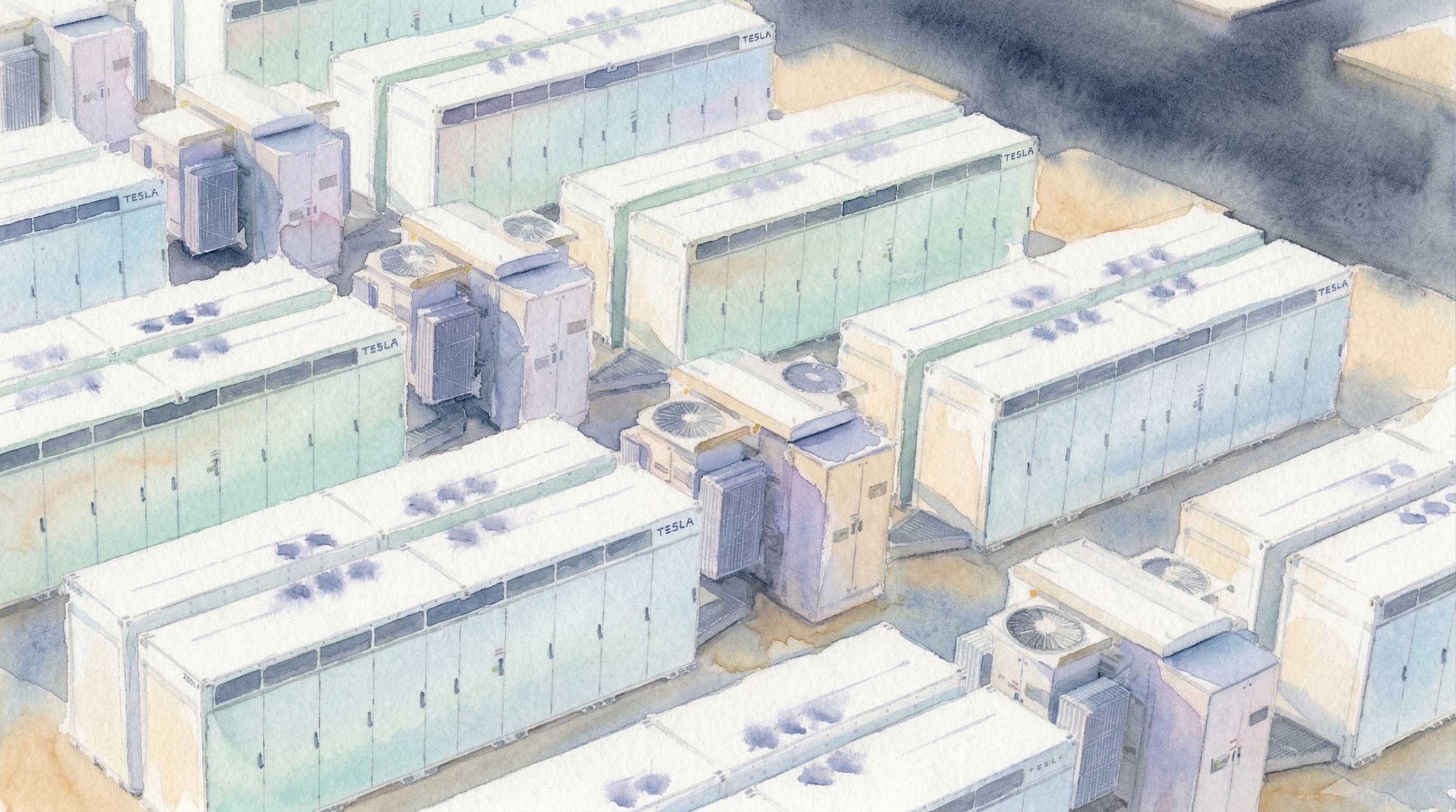
Carpenter Hill Aerial Render
Click to enlarge

The facility uses Tesla Megapack units — each about the size of a shipping container — arranged across a portion of the project site. All equipment is under 10 feet tall. A 32-acre preserved vegetation buffer screens views from Carpenter Hill Road and nearby sight lines.

The proposed system is rated at 150 MW / 600 MWh. In household terms, that's enough to power roughly 120,000 homes for 4 hours during peak demand.

Why this site, and why now?

The site is adjacent to the Carpenter Hill electrical substation — the grid connection point. That means minimal new transmission infrastructure and a short interconnection route. It's what makes this location work where most wouldn't.

As for timing, Massachusetts's 2024 Climate Act requires massive clean energy infrastructure by 2030. As wind and solar come online, the grid needs storage to stay reliable. The ISO New England interconnection queue is years long, but this site has a viable path, which is why the timeline matters.

Who is behind this?

Carpenter Hill Power, LLC is developed by ESA, an independently owned solar and energy storage development company based in Central Florida. ESA has developed over 8 gigawatts of clean energy projects across 24 states over the past decade.

The conditions of approval — including every commitment in the Community Benefits Plan — run with the project, not with the developer. If ESA transfers the project, the new owner inherits every obligation.

ESA Solar Logo

Explore ESA's approach to development, their operating portfolio, and background in clean energy infrastructure.

Visit esa-solar.com
Has this been approved, and what is the EFSB permitting process?

No. This project has not been approved. We are currently in the pre-filing engagement phase. In 2024, Carpenter Hill Power petitioned the Town of Charlton to create an overlay zoning district to provide a local regulatory path for the site. However, we withdrew that application after several Planning Board meetings, agreeing with the town that it was best to wait and see how the state legislation unfolded.

The Energy Facilities Siting Board (EFSB) is the state authority that will ultimately review and approve the project. Their process includes public hearings, environmental review, and adjudicatory proceedings where residents can participate.

This is exactly why we're having this conversation now — while there's still time to shape what gets built and how.

Explore the project site

Loading Map…

Community Right-to-Know

What We Know
  • • UL 9540A and NFPA 855 compliance
  • • LFP chemistry — safest available
  • • 200-ft residential setback minimum
  • • Tesla Megapack safety track record
What We're Still Studying
  • • Final acoustic study results
  • • Viewshed analysis from Route 20
  • • Detailed stormwater management plan
  • • Environmental impact assessments
What You Can Influence
  • • Emergency Response Plan priorities
  • • Screening and landscaping preferences
  • • Visual impact mitigation measures
Tesla Megapack units representing layered safety protections

What could this mean for my neighborhood?

This is the question that deserves the most honest answer. Battery storage changes some things about a site — and doesn't change others. Here's what we know, what we're still studying, and what you can influence.

Fire safety, battery chemistry, and emergency response

The batteries use LFP (lithium iron phosphate) chemistry — the most thermally stable option available commercially, with no cobalt or nickel. Even so, thermal runaway is physically possible, which is why prevention and response are layered:

  • Each Tesla Megapack is tested to UL 9540A and features built-in fire detection, suppression, and automatic shutdown.
  • NFPA 855 compliance and a 200-foot minimum setback from any residential building.
  • We're developing the Emergency Response Plan directly with Fire Chief Danny Carlson to cover equipment needs, training requirements, and mutual aid.

Additionally, if this project moves forward, the Community Benefits Plan will include direct infrastructure support for the Charlton Fire Department, shaped by Chief Carlson's assessment of what the town actually needs.

What will I see and hear from my home or the road?

Visually, this is a low-profile facility — under 10 feet tall — with a 32-acre preserved vegetation buffer. From most vantage points, you won't see it. We're commissioning a detailed viewshed analysis from the Route 20 corridor and nearest residential properties to confirm this.

Audibly, the primary sound during operation is a steady hum roughly equivalent to light rainfall. Preliminary estimates place operational noise below conversational levels at the setback distance. A detailed acoustic study is underway and both it and the viewshed results will be published here when complete.

What about my property value?

Research on battery storage proximity and property values is emerging. Based on current data, properly screened and set-back facilities like this have shown negligible impact — but we are actively sharing all research we find. Every study is published in our document library.

What happens during construction?

Construction is temporary — limited truck traffic, restricted work hours, and a defined duration. Details will be published as the project progresses through permitting.

How does this fit with Charlton's rural character?

This is a fair question with no easy answer. The project is designed to minimize visual and noise impact — low profile, screened by a 32-acre vegetation buffer, and set back from homes. But it is industrial infrastructure on a rural parcel. What makes it compatible isn't pretending otherwise — it's ensuring the trade-offs are worth it for Charlton, which is exactly what the Community Benefits Plan process is for.

What are the long-term environmental impacts and end-of-life plans?

LFP batteries do not contain heavy metals like cobalt or nickel. The facility includes spill containment systems and stormwater management designed to protect the surrounding environment. Detailed stormwater and environmental protection plans will be published here as they are completed.

The facility also has a finite operating life. Strict financial assurance requirements cover end-of-life site restoration and decommissioning. The facility doesn't stay forever and the town isn't left holding the bag. Conservation restrictions on the 32-acre forest buffer are designed to outlast the project itself.

📅 July 22, 2026 — Fire Safety Webinar. A dedicated deep-dive on fire safety, thermal runaway, and emergency response protocols. Register in the Participation Hub

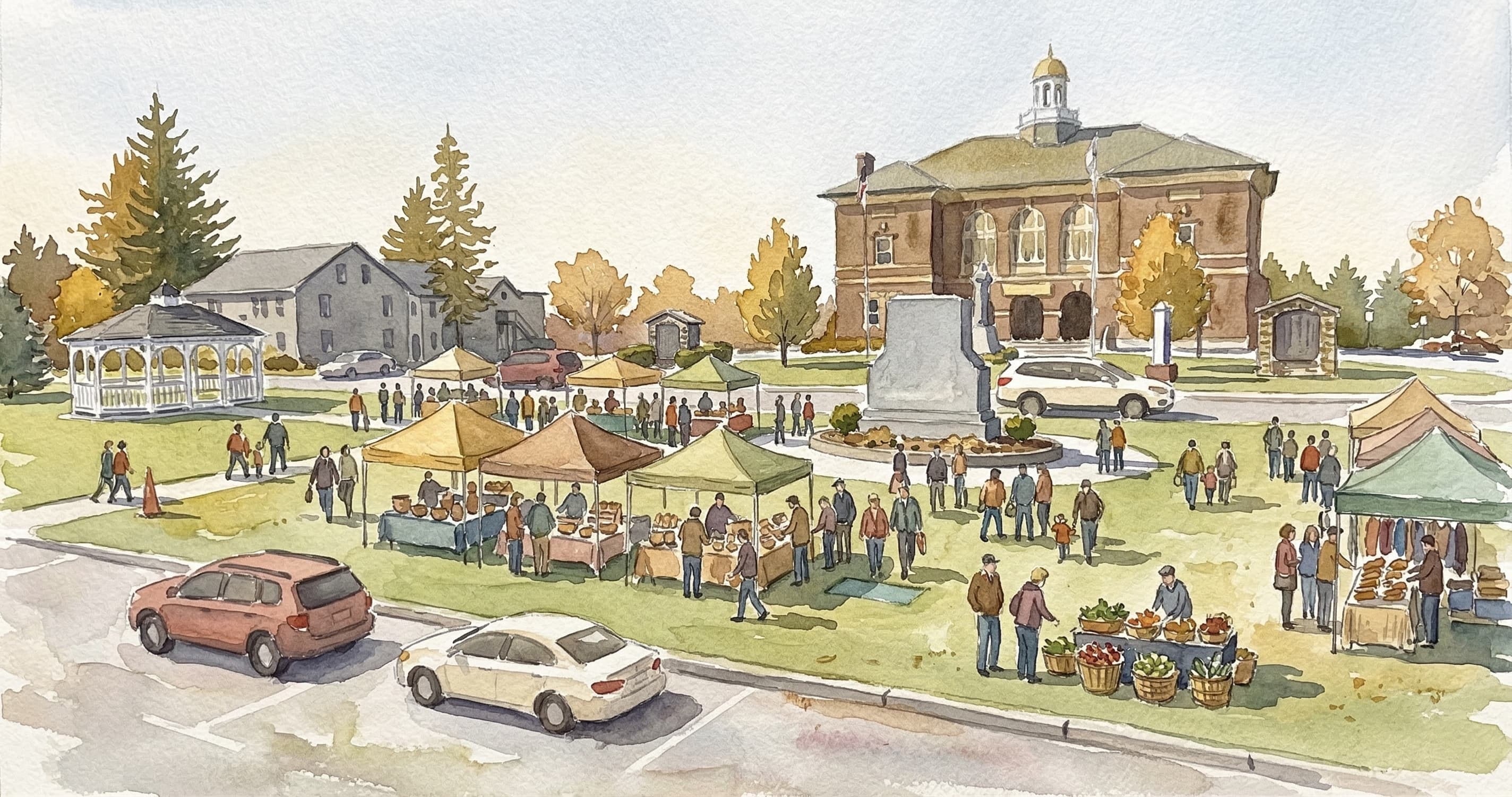
Charlton Green

What does Charlton get out of this?

A project this size should deliver real, lasting benefits to the community hosting it. We agree. But we don't think it's our place to decide what those benefits should be — that's your job. The Community Benefits Plan hasn't been written yet, and that's exactly why we're here.

What categories are included in the Community Benefits Plan?

Nothing yet — and that's intentional. The CBP will be co-created with Charlton residents (community input → drafting → public review → binding agreement). Every commitment will use the SMARTIE framework: Specific, Measurable, Achievable, Relevant, Time-bound, Inclusive, and Equitable.

We are currently exploring the following categories based on initial feedback:

🛡️ Public Safety
  • • Fire department equipment and training
  • • Emergency response infrastructure
💼 Economic
  • • Tax revenue or PILOT payments to Charlton
  • • Local hiring targets for construction
  • • Small business procurement preferences
🌳 Environmental
  • • Conservation restrictions on forest buffer
  • • Habitat restoration
  • • Community green space
⚡ Grid & Infrastructure
  • • Road improvements along the access route
  • • Community energy benefits (under investigation)
Does Charlton get any tax revenue?

Yes — through either standard property taxes or a Payment in Lieu of Taxes (PILOT) agreement negotiated directly with the town. The specifics are part of the Community Benefits Plan negotiation, and final terms will be public.

What about the fire department?

Fire department support is a core benefit category. Chief Carlson's assessment of what Charlton actually needs — equipment, training, mutual aid agreements — will shape the specifics. This isn't a generic donation; it's infrastructure defined by the people responsible for Charlton's safety.

Can we get energy bill credits or backup power?

This is something residents have asked about, and we're looking into it — but we want to be straightforward: we don't yet know what credit structures or direct energy benefits are available for battery storage projects operating in ISO-NE. The answer depends on interconnection rules, utility agreements, and the project's future ownership and financial structure.

We're not going to promise something we can't confirm we can deliver. If other comparable projects in the region are providing community energy benefits, we'll work to follow suit. If Charlton residents rank this as a priority, it stays on the table — but we'll only commit to it in the Community Benefits Plan once we're confident it's feasible.

Who decides the benefits, and how are they enforced?

You decide what the benefits are through the Community Benefits Plan process. Our role is to present feasible categories, listen to what Charlton prioritizes, and negotiate a binding agreement. The CBP is not a gift from the developer; it's a negotiated contract between the project and the community.

Once finalized, the Community Benefits Plan becomes a binding condition of EFSB approval. It runs with the project, not with the developer — if the owner changes, every obligation transfers. Non-compliance is a regulatory matter, not just a broken promise.

We're still listening

We don't know yet — and that's exactly why we're here. The benefits aren't finalized because they shouldn't be finalized without you. Tell us what matters most →

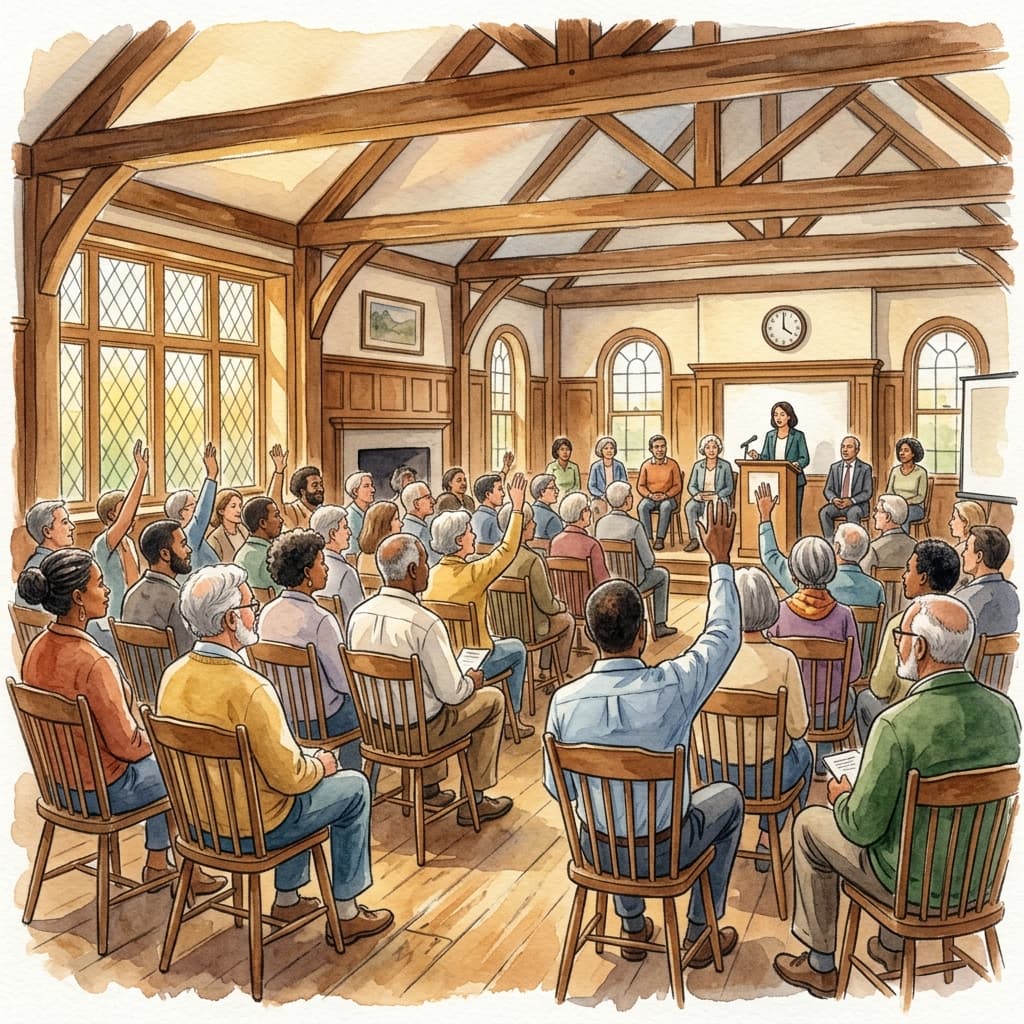
Watercolor illustration of a community town hall meeting

Do I actually have a say?

Yes — and not just in the 'drop a comment in a box' way. The real test isn't whether you can speak. It's whether what you say changes something. A site plan. A benefit commitment. A design decision. That's the standard we're holding ourselves to.

Will my feedback actually change anything?

Yes. At minimum, every comment submitted through this site gets an acknowledgment within 24 hours and a real, specific response within 7 days. We publish every exchange so you can hold us to it.

Has anything actually changed yet? Not yet — and that's honest. We are in the pre-filing engagement phase, and the first formal community meetings are in April 2026. This section will be updated with a “What We Heard / What We Did” summary after every major milestone. If we say your input matters, there has to be a public record proving it.

What happened at the last meeting?

No meetings have been held yet. Meeting summaries, attendee questions, and project responses will be published here after each event — starting with the Select Board meeting on April 14, 2026.

How does the EFSB process work for public comment?

The Energy Facilities Siting Board process includes formal public comment periods and adjudicatory hearings where residents and intervenors can participate on the record. Town meetings, Planning Board sessions, and Select Board discussions are additional venues.

We'll publish every upcoming date so you never miss a window.

What is the Community Advisory Committee?

We're proposing a diverse group of Charlton residents to provide structured input throughout the Community Benefits Plan process. This isn't a rubber stamp — it's a working group with real influence over what gets included in the binding agreement. Whether to form one is a conversation we're having with the Select Board.

Ready to participate?

Submit a comment, attend an event, join the advisory committee, or tell us what benefits matter most.

Go to the Participation Hub
Volt - Battery Character

Ask Volt about the project

Your community knowledge assistant — ask anything about Carpenter Hill Power.

Volt
Volt

Community Knowledge Assistant

Hi! I'm Volt, your community knowledge assistant. What would you like to know about the Carpenter Hill Power project?

Participation Hub

Everything you need to get involved — comment, attend, shape benefits, or just stay informed.

1

Plant

Lay the groundwork

Mar–May 2026

We are here
2

Water

Reach the community

May–Aug 2026

3

Grow

Co-create the Community Benefits Plan

Aug–Dec 2026

4

Share

Deliver & sustain

2027 onward

Submit a comment or question

Every comment gets an acknowledgment within 24 hours and a published response within 7 days.

Community Advisory Committee

We're proposing a diverse group of Charlton residents to provide structured input throughout the Community Benefits Plan process.

Express Interest in Serving

Upcoming Events & Milestones

April 14, 2026Upcoming

Charlton Select Board Meeting

Project introduction. We'll present the project overview and gauge the Board's concerns and priorities.

April 15, 2026Upcoming

Charlton Planning Board Meeting

Project introduction focused on land use and site context. Open to the public.

May 18, 2026Upcoming

Town Meeting Pop-up

Informal awareness-building at Charlton's Annual Town Meeting. Stop by, grab materials, and ask early questions.

Engagement Dashboard

0

Meetings Held

First: April 14

0

Comments Received

Be the first

Publicly Addressed

Starting soon

0

“What We Heard” Reports

After Meeting #1

What We Heard / What We Did

This archive will be updated after every major engagement milestone. First entry expected after Public Meeting #1 on June 10, 2026.

What Happens Next?

This is only the beginning.The Community Benefits Plan is still growing — shaped by every conversation, workshop, and submitted comment.We'll be updating this site continuously as we approach the EFSB filing stage.

Jonathan Santiago

Contact the Project Team

Jonathan Santiago

Project Development Coordinator - BESS

We respond to every message. If you don't hear back within 48 hours, something went wrong — try again or call.

Volt - Battery Character
Ask Volt about the project

Community Knowledge Assistant

Hi! I'm Volt, your community knowledge assistant. What would you like to know about the Carpenter Hill Power project?